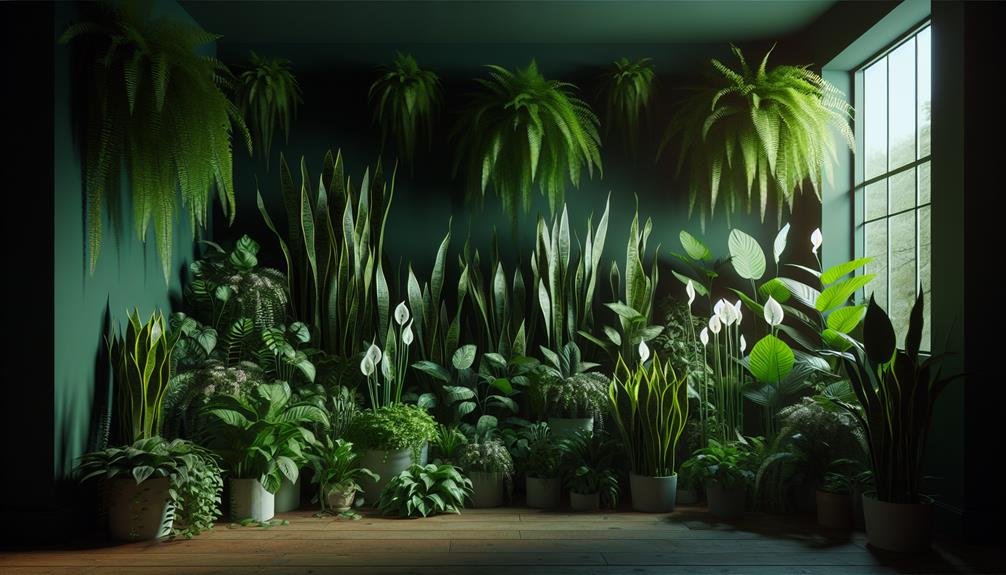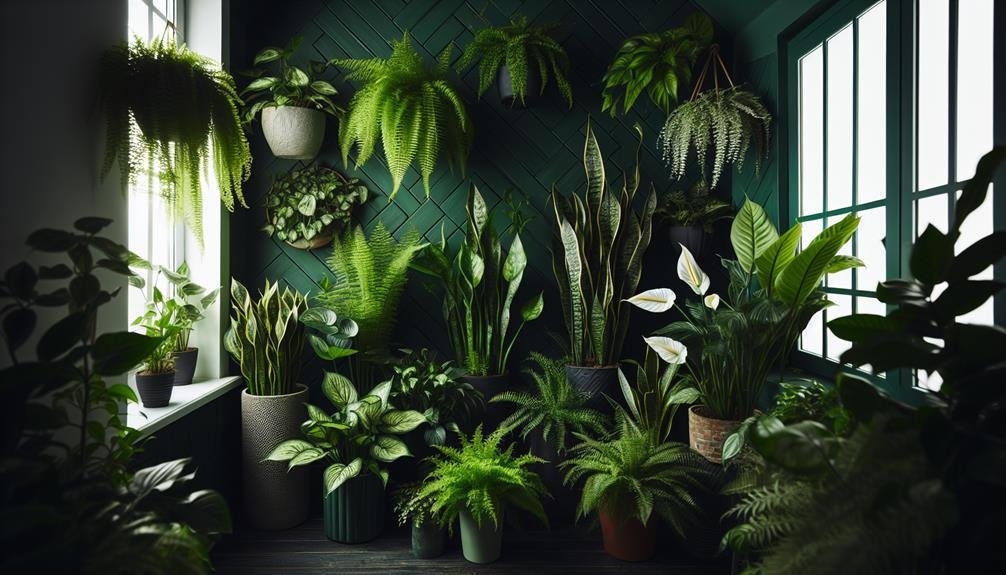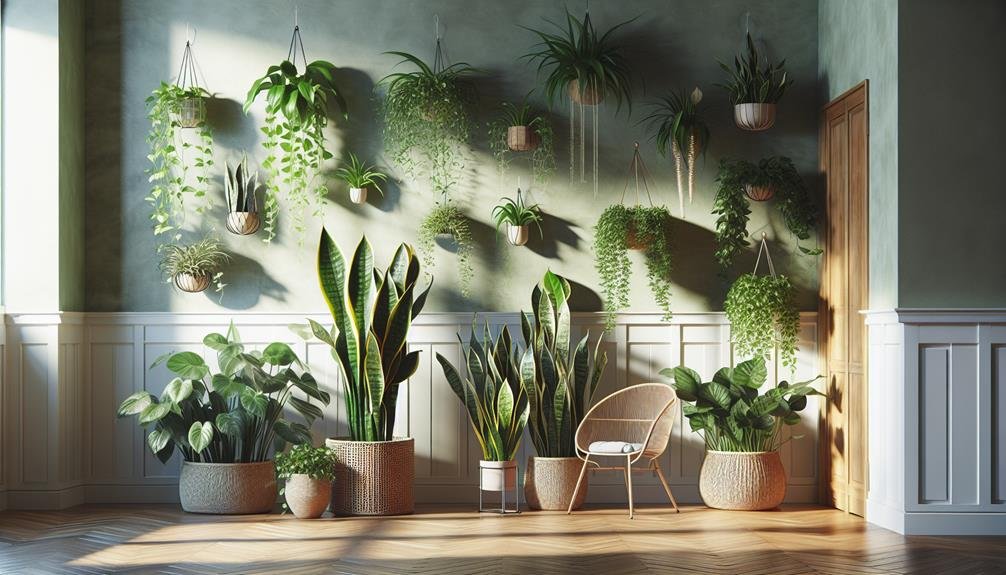
When it comes to selecting hardy indoor plants for your space, think of them as the reliable friends who always have your back. They not only bring a touch of greenery into your home but also require minimal effort to thrive.
Curious to discover which varieties can withstand a bit of neglect while still looking fabulous? Stay tuned as we explore the top 5 low-maintenance options that are perfect for beginners dipping their toes into the world of indoor gardening.
Benefits of Hardy Indoor Plants
If you're new to indoor gardening, hardy indoor plants can be your best friends. These plants are resilient and forgiving, making them perfect for beginners. Hardy indoor plants are able to tolerate a variety of conditions, such as fluctuations in temperature and light levels, which means you won't have to stress too much about providing the perfect environment for them to thrive.
One of the main benefits of hardy indoor plants is their ability to adapt to neglect. If you forget to water them occasionally or if they don't receive direct sunlight every day, they'll still soldier on. This adaptability makes them ideal for busy individuals or those who mightn't have a green thumb yet.
Additionally, hardy indoor plants are excellent air purifiers. They can help remove toxins from the air, improving indoor air quality and creating a healthier environment for you to live in. Having these plants around can also boost your mood and reduce stress levels. So, if you're looking for plants that are low-maintenance and offer multiple benefits, hardy indoor plants are the way to go.
Top 5 Low-Maintenance Options
Hardy indoor plants are a great starting point, but if you're seeking even lower-maintenance options, consider these top 5 choices.
First up, the Snake Plant, known for thriving in low light and sparse watering schedules. Its striking appearance and air-purifying qualities make it a popular choice for beginners.
Next, the ZZ Plant, requiring minimal light and water, perfect for those with busy schedules. The Spider Plant is another resilient option, tolerating a range of conditions and producing little plant babies known as spiderettes.
For a touch of color, the Peace Lily is an excellent choice, needing infrequent watering and thriving in indirect light. Lastly, the Pothos plant, with its cascading vines, is virtually indestructible and can survive in various lighting conditions.
These low-maintenance plants are ideal for those looking to add greenery to their indoor spaces without the hassle of constant care.

Light and Watering Requirements
When caring for indoor plants, understanding their specific light and watering requirements is essential for their health and growth. Light is crucial for photosynthesis, so ensure your plant receives adequate light based on its type. Most indoor plants thrive in bright, indirect light, while others may prefer low light conditions. Monitor your plant for any signs of light deficiency, such as yellowing leaves or stunted growth, and adjust its placement accordingly.
Watering is another critical factor in plant care. Overwatering can lead to root rot, while underwatering can cause wilting and nutrient deficiencies. To determine the watering needs of your plant, check the soil moisture level regularly. Stick your finger into the soil; if it feels dry an inch deep, it's time to water. Different plants have varying watering requirements, so research your plant species to provide the right amount of water.
Troubleshooting Common Issues
Understanding how to troubleshoot common issues with your indoor plants is key to maintaining their health and vitality.
If you notice yellowing leaves, it could be a sign of overwatering. Ensure proper drainage and allow the soil to dry out between waterings.
On the other hand, brown tips on the leaves may indicate underwatering. Increase your watering frequency, but be cautious not to drown the roots.
Wilting can result from both overwatering and underwatering, so assess the soil moisture to determine the cause.
If your plant's leaves start turning pale or losing color, it mightn't be receiving enough sunlight. Move it to a brighter spot, but be mindful of direct sunlight, which can scorch the leaves.
Pests like spider mites and aphids can also harm your plants. Use insecticidal soap or neem oil to combat these invaders.
Propagation and Repotting Tips
To successfully propagate and repot your indoor plants, start by choosing healthy parent plants with strong root systems. Healthy parent plants are more likely to produce successful offspring.
When propagating through stem cuttings, make clean cuts using sharp scissors or pruners to prevent damage. Remove any leaves that would be below the soil line to prevent rotting. Place the cuttings in water or a well-draining soil mix until roots develop.
For repotting, choose a container that's slightly larger than the current one, with drainage holes to prevent waterlogging. Gently remove the plant from its current pot, being careful not to damage the roots. Loosen any tightly bound roots before placing the plant in its new container with fresh soil. Avoid burying the plant too deeply; keep the soil level consistent with the previous pot.
Water the plant thoroughly after repotting to help it settle into its new home. With these tips, you'll be on your way to successfully propagating and repotting your indoor plants.
Frequently Asked Questions
Can Hardy Indoor Plants Help Improve Indoor Air Quality?
Hardy indoor plants can indeed improve indoor air quality. They've the ability to absorb toxins like formaldehyde and benzene, releasing oxygen in return.
By having these plants in your living space, you can enjoy fresher and cleaner air. Additionally, they're relatively low maintenance, making them a great choice for beginners.
How Do I Choose the Right Potting Soil for My Hardy Indoor Plants?
When choosing potting soil for your hardy indoor plants, look for a well-draining mix that provides good aeration for the roots. Opt for a blend specifically formulated for indoor plants to ensure proper nutrient levels.
Check the pH balance of the soil to match the needs of your plants. Remember to repot your plants every couple of years to refresh the soil and promote healthy growth.
Do Hardy Indoor Plants Attract Pests or Insects?
Hardy indoor plants can sometimes attract pests or insects. It's essential to keep an eye out for any signs of infestation, such as yellowing leaves or tiny bugs.
Regularly inspect your plants and take action promptly if you notice any unwanted visitors. You can use natural remedies like neem oil or insecticidal soap to help keep pests at bay.
Proper care and maintenance will go a long way in preventing pest problems with your indoor plants.
Are There Any Specific Temperature Requirements for Hardy Indoor Plants?
When caring for hardy indoor plants, it's essential to consider their temperature needs. Some plants thrive in cooler environments, while others prefer warmth. Research the specific requirements of each plant you have to ensure they're happy and healthy.
Can Hardy Indoor Plants Survive in Low Light Conditions?
Yes, hardy indoor plants can tolerate low light conditions but may not thrive as much as they would in brighter light.
It's essential to choose plants that are specifically labeled as suitable for low light environments to ensure their survival.
While they can survive, they may grow slower and require less frequent watering.
Consider supplementing with artificial light to support their growth if natural light is limited in your space.
Conclusion
In conclusion, choosing hardy indoor plants for your home is a great way to add greenery without too much hassle. With low-maintenance options like snake plants and pothos, you can enjoy the benefits of houseplants without the stress of constant care.
Remember to provide the right amount of light and water, troubleshoot any issues that arise, and consider propagation and repotting to keep your plants thriving.
Happy planting!