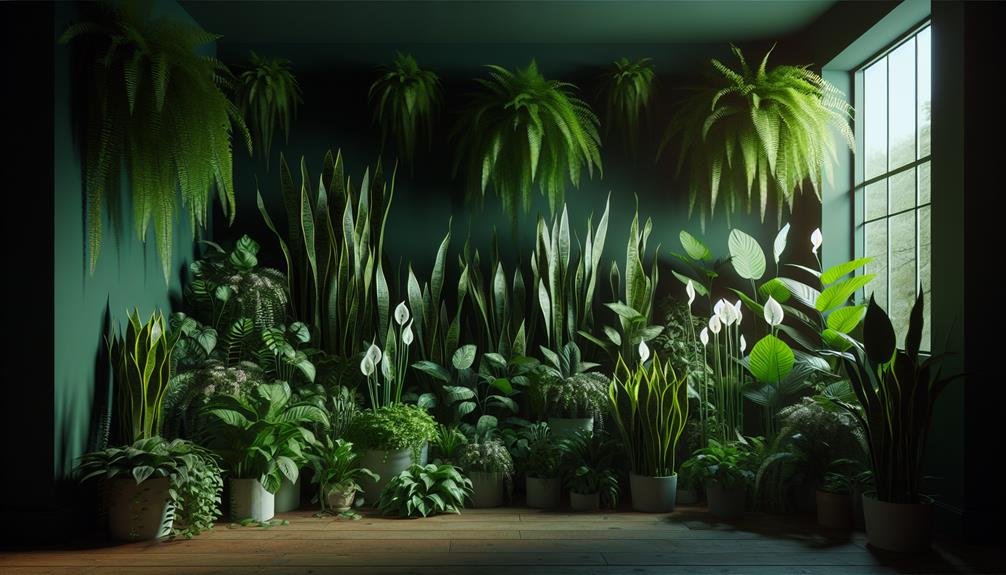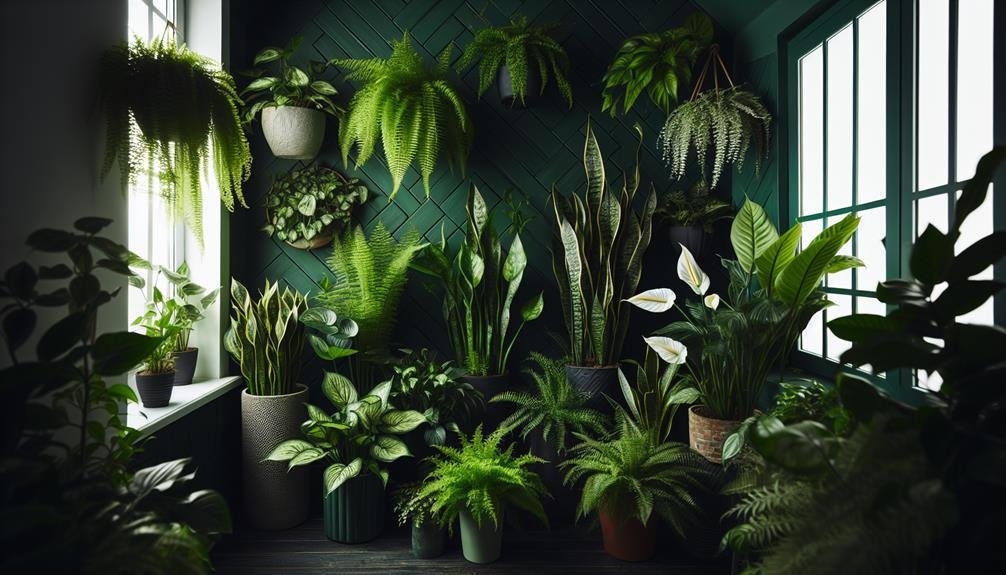
English Ivy has become immensely popular as an indoor plant for its air-purifying qualities, visual charm, and simple maintenance. It adds greenery and cleanses the air by filtering out toxins like formaldehyde and mold spores. With proper care, it enhances air quality, thrives in varied light conditions, and uplifts your mood while reducing stress. Place it in bright, indirect sunlight, water moderately, and fertilize periodically for best growth. Explore different display options like hanging baskets or creating a terrarium. Various English Ivy varieties cater to different indoor environments. Discover more benefits and care tips to maximize your English Ivy's potential.
Benefits of Growing English Ivy Indoors
Growing English Ivy indoors offers numerous benefits for both your home environment and your well-being. This versatile plant not only adds a touch of greenery to your living space but also serves as a natural air purifier, helping to reduce toxins in the air. English Ivy is known for its ability to remove harmful chemicals like formaldehyde, benzene, and mold spores, creating a healthier indoor environment for you and your loved ones.
In addition to its air-purifying properties, English Ivy can also help to boost your mood and reduce stress levels. The presence of plants indoors has been linked to improved mental health and overall well-being, making English Ivy a great choice for those looking to create a more peaceful and relaxing atmosphere in their homes. With minimal care requirements and the ability to thrive in various lighting conditions, English Ivy is a low-maintenance plant that can bring numerous benefits to your indoor space.
English Ivys Air-Purifying Properties
English Ivy's air-purifying abilities make it a valuable addition to any indoor space, helping to create a healthier environment for you and your loved ones. This plant isn't only aesthetically pleasing but also serves a functional purpose by removing harmful airborne toxins. English Ivy is known to filter out pollutants such as formaldehyde, benzene, and mold spores, which are commonly found in indoor environments. By having English Ivy in your home, you're actively improving the air quality, leading to a fresher and cleaner atmosphere for everyone to enjoy.
In addition to its air-purifying properties, English Ivy is relatively easy to care for, making it a low-maintenance plant option for those looking to enhance their indoor air quality without much effort. Its ability to thrive in various light conditions and tolerate occasional neglect makes it a popular choice for busy individuals who still desire a touch of greenery in their living spaces. Consider adding English Ivy to your home to not only beautify your surroundings but also to promote a healthier lifestyle for you and your family.
Easy Care Tips for English Ivy
For ideal health and growth of your English Ivy indoors, consider these simple care tips.
First, place your English Ivy in a location with bright, indirect sunlight. Direct sunlight may scorch its leaves, while too little light can result in leggy growth. Water your Ivy regularly, making sure that the soil remains consistently moist but not waterlogged. It's best to let the soil dry slightly between waterings to prevent root rot. Use a well-draining potting mix to guarantee proper drainage.
To keep your English Ivy thriving, mist the leaves occasionally to provide the humidity it loves. Regularly inspect your plant for any signs of pests like spider mites or aphids, and address them promptly to prevent infestations. Fertilize your English Ivy every few months during the growing season to supply it with the nutrients it needs.
Creative Ways to Display English Ivy
Consider incorporating English Ivy into your home decor to add a touch of natural beauty and freshness to your living space.
To creatively display English Ivy, try hanging baskets near windows to let the ivy cascade elegantly downwards, bringing a vibrant green touch to your room.

You could also place English Ivy in decorative pots on shelves or mantels, allowing the ivy to trail gracefully, adding a pop of color and life to the space.
For a unique twist, consider training English Ivy to climb a trellis or wall, creating a charming green backdrop.
Another creative idea is to place English Ivy in a terrarium or glass container, creating a mini indoor garden that's both visually appealing and easy to care for.
English Ivy Varieties for Indoors
Wondering which varieties of ivy are best suited for indoor environments?
When it comes to English Ivy, some varieties are more ideal for thriving indoors. One popular choice is the Hedera helix, also known as English Ivy, which is a classic option for indoor settings. Its elegant, dark green leaves create a charming atmosphere in any room. Another great variety is the Algerian Ivy (Hedera canariensis), with larger, glossy leaves that bring a touch of lushness to your indoor space. For a more compact option, consider the Glacier Ivy (Hedera helix 'Glacier'), which features variegated leaves adding a pop of color to your home.
If you're looking for a versatile ivy that can adapt to various indoor conditions, the Swedish Ivy (Plectranthus australis) is an excellent choice. Its cascading growth habit makes it perfect for hanging baskets or elevated spaces. When selecting an English Ivy variety for indoors, consider factors like lighting, humidity levels, and the amount of care you can provide to guarantee your plant thrives in its new environment.
Troubleshooting Common English Ivy Issues
If your English Ivy plant is showing signs of distress, troubleshoot common issues promptly to guarantee its health and vitality. The most frequent problems include overwatering, underwatering, inadequate sunlight, and pests.
Confirm your plant is receiving the appropriate amount of water by checking the soil moisture regularly. Ivy prefers slightly dry conditions, so allow the soil to dry out between waterings. Place your plant in a spot with bright, indirect sunlight, as direct sunlight can scorch its leaves. If you notice pests like spider mites or aphids, gently wipe the leaves with a damp cloth or treat with insecticidal soap.
To prevent issues, maintain good air circulation around your plant and avoid overcrowding. Trim any yellow or damaged leaves to encourage new growth. Remember to fertilize your English Ivy sparingly to prevent nutrient buildup, which can harm the plant.
Propagating English Ivy: A Guide
To propagate English Ivy successfully, start by selecting a healthy stem cutting from an established plant. Choose a stem that's around 4-6 inches long with several leaves at the top. Using sharp, clean scissors, make a diagonal cut just below a leaf node. Remove the leaves from the lower half of the cutting to expose the nodes.
Next, prepare a small pot with well-draining soil. Moisten the soil slightly before planting the cutting to provide a good environment for root growth. Create a hole in the soil using a pencil or your finger and gently place the cutting into it. Firmly press the soil around the stem to secure it in place.
Place the pot in a warm, bright location away from direct sunlight. Mist the cutting regularly to keep the leaves hydrated and encourage root development. Check the soil moisture often and water when the top layer feels dry. With proper care and patience, your English Ivy cutting will soon develop roots and grow into a new plant.
Frequently Asked Questions
Can English Ivy Be Grown Outdoors as Well, or Is It Strictly an Indoor Plant?
English ivy can be grown both indoors and outdoors, offering flexibility in its cultivation. Outdoors, it can thrive in various conditions, but it's important to make sure it has proper support for climbing.
Indoors, English ivy can be a lovely addition to your space, needing adequate light and regular watering. Whether indoors or outdoors, this plant can enhance your surroundings with its cascading foliage and air-purifying properties.
Are There Any Specific Pests or Diseases That Commonly Affect English Ivy When Grown Indoors?
When growing English ivy indoors, you may encounter common pests and diseases. Spider mites, aphids, and mealybugs are frequent pests that can bother your English ivy. Keep an eye out for signs like webbing or tiny insects on the leaves.
Root rot is a potential issue caused by overwatering. To prevent these problems, regularly inspect your plant, maintain appropriate watering practices, and guarantee good air circulation around your English ivy.
What Are the Best Types of Pots or Containers to Use When Growing English Ivy Indoors?
When growing English ivy indoors, opt for pots with good drainage to prevent waterlogging. Terra cotta or ceramic pots work well as they allow excess water to evaporate. Plastic pots can retain moisture, so keep an eye on watering frequency.
Consider pot size too; a slightly larger pot than the current one promotes healthy growth. Remember to place a saucer under the pot to catch excess water and protect your surfaces.
Can English Ivy Be Harmful to Pets or Children if Ingested?
English Ivy can be harmful if ingested by pets or children. The plant contains substances that may cause gastrointestinal issues like vomiting or diarrhea. It's best to keep English Ivy out of reach to prevent accidental ingestion.
If you suspect someone has consumed it, contact a healthcare provider or veterinarian for guidance. Being cautious with plants around kids and animals is essential for their safety and well-being.
How Often Should English Ivy Be Fertilized When Grown as an Indoor Plant?
When growing English Ivy indoors, fertilize it every 4-6 weeks during the growing season to keep it healthy and thriving. Use a balanced liquid fertilizer diluted to half strength to avoid over-fertilizing, which can harm the plant.
Check the soil moisture before fertilizing and adjust based on the plant's needs. Consistent fertilization will help your English Ivy grow lush and vibrant in its indoor environment.
Conclusion
To sum up, English Ivy is a popular choice for indoor plant enthusiasts due to its air-purifying properties, easy care requirements, and versatility in display options.
With a variety of Ivy types to choose from and simple propagation methods, it's no wonder why this plant has become a favorite for both novice and experienced gardeners.
Whether you're looking to freshen up your living space or add a touch of green to your office, English Ivy is a great choice for any indoor environment.