Are you inadvertently drowning your beloved houseplants? Overwatering remains a prevalent predicament that plagues many indoor gardeners.
But fear not, as this guide will shed light on not only overwatering but also the often underestimated perils of underwatering and the importance of tailoring your watering schedule to suit your plant's needs.
Don't let your plants suffer due to improper watering techniques or by ignoring their individual hydration requirements.
Learn how to nurture your indoor greenery effectively and watch them flourish like never before.
Overwatering: The Silent Killer
If you frequently find yourself watering your indoor plants out of habit rather than necessity, you may unknowingly be contributing to overwatering, the silent killer of houseplants. Overwatering occurs when plants receive more water than they can effectively absorb or use. As a result, the roots suffocate, leading to root rot and eventual plant death. Signs of overwatering include yellowing leaves, mushy stems, and a musty smell emanating from the soil.
To avoid overwatering your indoor plants, always check the soil moisture before reaching for the watering can. Stick your finger into the soil about an inch deep – if it feels dry, then it's time to water. Ensure that your pots have proper drainage holes to allow excess water to escape, preventing water from pooling at the bottom and drowning the roots.
Underwatering: Signs and Solutions
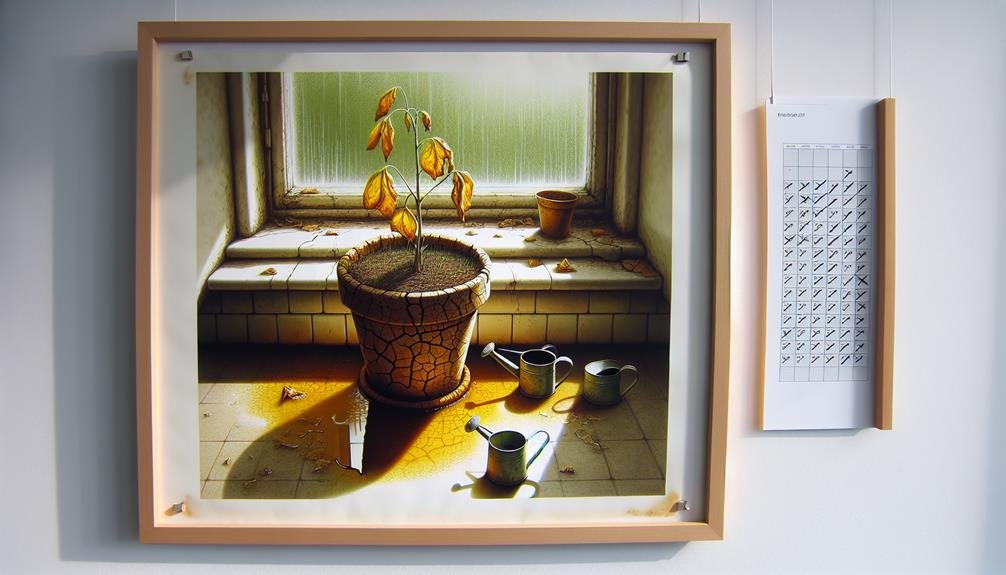
Are your indoor plants showing signs of distress despite regular watering? If your plants are wilting, have dry and crispy leaves, or are dropping leaves more than usual, they might be underwatered. Insufficient water deprives plants of essential nutrients and can hinder their growth. To remedy this issue, start by checking the soil moisture level. Stick your finger about an inch into the soil; if it feels dry, it's time to water your plant.
When watering, ensure that the water reaches all parts of the soil and allows for proper drainage. Consider watering your plants thoroughly until you see water coming out of the drainage holes at the bottom of the pot, ensuring that the roots receive adequate hydration. Be mindful not to let your plants sit in standing water, as this can lead to root rot.
To prevent underwatering in the future, establish a consistent watering schedule based on your plant's specific needs. Observing and understanding your plant's behavior will help you determine the right amount of water it requires to thrive.
Incorrect Watering Schedule: Finding the Balance
To maintain healthy indoor plants, it's crucial to strike a balance in your watering schedule to avoid the common mistake of over or under watering. Finding the right watering frequency depends on various factors such as plant type, pot size, humidity levels, and environmental conditions. One way to determine if your plant needs water is by checking the soil moisture level. Stick your finger about an inch into the soil; if it feels dry, it's time to water.

It's important to remember that the watering needs of your plants may change with the seasons. During warmer months, plants tend to require more frequent watering due to increased evaporation. In contrast, during the winter or cooler months, plants typically need less water as they enter a period of dormancy. Observing your plants regularly and adjusting your watering schedule accordingly will help you find the right balance and keep your indoor plants healthy and thriving.
Using Improper Watering Techniques
Avoiding improper watering techniques is essential for the health and vitality of your indoor plants. Using the wrong watering techniques can lead to root rot, nutrient deficiencies, and overall poor plant growth. One common mistake is watering too frequently. Overwatering can suffocate the roots by depriving them of oxygen, leading to wilting and yellowing leaves. On the flip side, underwatering can cause stress to your plants, resulting in stunted growth and leaf drop.
When watering your indoor plants, it's crucial to water thoroughly but allow excess water to drain out. Watering too quickly can cause the water to pool on the surface, without reaching the roots where it's needed most. Additionally, avoid using cold water straight from the tap, as this can shock the roots. Instead, let the water sit for a day to reach room temperature before watering your plants.
Ignoring Plant Specific Watering Needs
Ignoring the specific watering needs of each indoor plant can result in detrimental effects on their health and growth. Different plants have varying requirements when it comes to watering frequency, amount of water, and even the type of water they prefer.
For example, succulents generally prefer infrequent watering with well-draining soil to prevent root rot, while tropical plants like ferns may require more consistent moisture levels.
When you fail to consider these specific needs, you risk overwatering or underwatering your plants. Overwatering can lead to root suffocation, nutrient deficiencies, and ultimately plant death. On the other hand, underwatering can cause wilting, stunted growth, and leaf damage.
Each plant species has evolved in different environments, and understanding these conditions is crucial for providing adequate care.
To avoid these issues, take the time to research the watering requirements of each indoor plant in your care. Consider factors such as the plant's native habitat, soil type, and seasonal variations in watering needs.
Frequently Asked Questions
Can I Use Tap Water for My Indoor Plants, or Should I Use Filtered or Distilled Water?
You can use tap water for your indoor plants, but it's essential to consider the quality of your tap water.
Some tap water may contain chemicals or minerals that can harm your plants over time. If you notice issues like browning leaves or stunted growth, consider switching to filtered or distilled water.
These options provide a cleaner and safer alternative to tap water, promoting healthier growth for your indoor plants.
How Can I Tell if My Indoor Plant Needs to Be Repotted Due to Poor Drainage?
If your indoor plant starts showing signs like roots coming out of the drainage holes or water pooling on the top, it's time to check for poor drainage.
To determine if repotting is needed, gently lift the plant from its pot and inspect the root system. If you see roots circling the container or a compacted root ball, it's likely suffering from poor drainage.
Repotting into a container with proper drainage holes can help your plant thrive.
Are Self-Watering Pots a Good Option for Preventing Overwatering?
Self-watering pots can be a good option for preventing overwatering. They provide a reservoir that allows plants to absorb water as needed, reducing the risk of drowning roots.
Make sure to monitor the water level in the reservoir to avoid overfilling. Consider using these pots for plants that prefer consistently moist soil.
What Are Some Signs That My Indoor Plant Is Not Getting Enough Humidity in Addition to Water?
If you notice your indoor plant isn't getting enough humidity, look for signs like brown leaf tips, drooping leaves, or crispy edges.
By providing extra humidity through methods like misting, pebble trays, or a humidifier, you can help your plant thrive.
Keep an eye on your plant's appearance and adjust the humidity levels as needed to ensure it stays healthy and happy.
Is It Possible to Over-Fertilize My Indoor Plants Through Watering With a Fertilizer Solution?
Yes, it's possible to over-fertilize your indoor plants through watering with a fertilizer solution. When you add too much fertilizer to the water, it can lead to a buildup of salts in the soil, causing root burn and hindering the plant's ability to absorb nutrients.
Be cautious and follow the recommended guidelines on the fertilizer packaging to prevent over-fertilization and keep your plants healthy.
Conclusion
Remember, proper watering is key to keeping your indoor plants healthy and thriving. Avoid overwatering by allowing the soil to dry out between waterings, and keep an eye out for signs of underwatering such as yellowing leaves.
Make sure to follow a consistent watering schedule that fits the specific needs of each plant, and always use the correct watering techniques. By taking these simple steps, you can ensure your indoor plants stay happy and hydrated.