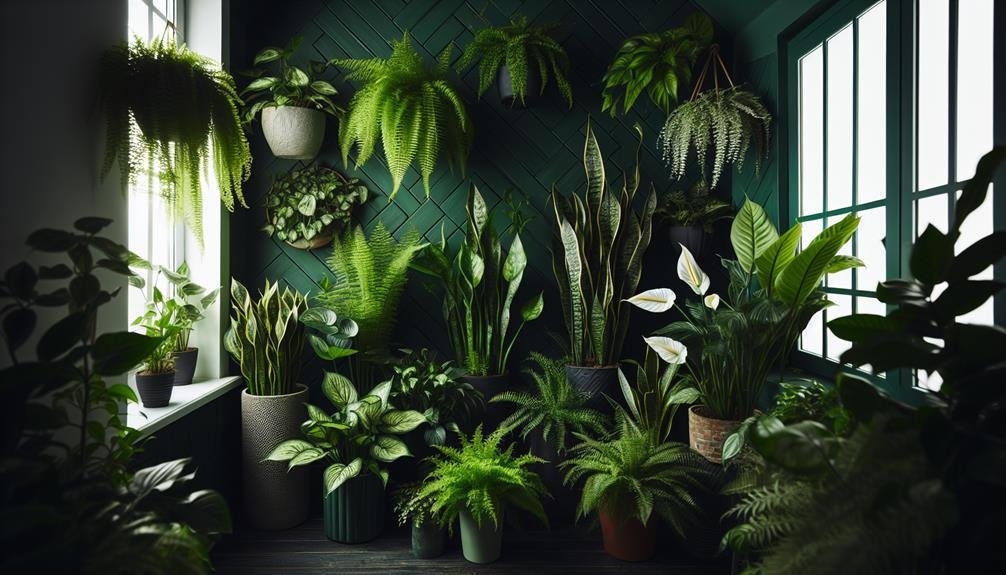
Imagine your houseplant is like a cramped city dweller longing for a spacious new apartment. Just like this plant, sometimes a change of scenery can do wonders for growth and health.
As you carefully lift the plant from its pot, roots peeking out from the bottom, you realize the potential for rejuvenation. But how do you ensure a smooth transition to its new home?
Stay tuned to discover the five essential steps that will set your houseplant up for success in its new dwelling.
Choosing the Right Pot Size
When selecting a pot size for your houseplant, consider the root system and growth potential of the plant. The size of the pot directly impacts the health and development of your beloved green friend. A pot that's too small can constrict the roots, leading to stunted growth and potential health issues. On the other hand, a pot that's too large may cause overwatering and lead to root rot.
To determine the right pot size, start by examining the current root system of your plant. If the roots are circling the bottom of the current pot or poking out from the drainage holes, it's time for a bigger home. Consider a pot that's 1-2 inches larger in diameter than the current one to allow for healthy growth. Additionally, take into account the growth potential of your plant. Research the mature size of your houseplant to ensure it has ample space to thrive in its new pot. By choosing the right pot size, you set the foundation for a flourishing plant-parent relationship.
Preparing the New Pot
To ensure a successful repotting process for your houseplant, start by properly prepping the new pot. Begin by selecting a new pot that's only slightly larger than the current one to avoid overpotting. Before placing the plant inside, check that the new pot has sufficient drainage holes at the bottom. This is crucial for preventing waterlogging, which can lead to root rot.
Next, clean the new pot with water and mild soap to remove any dirt or residue that could potentially harm your plant. Ensure the pot is completely dry before proceeding. Add a layer of fresh, high-quality potting mix at the bottom of the pot. This will provide a good foundation for the plant's roots and help with drainage.
Lastly, consider adding a layer of activated charcoal or small stones above the potting mix to further enhance drainage and prevent soil compaction. With the new pot properly prepped, you're now ready to smoothly transition your houseplant into its new home.
Removing the Plant From Its Current Pot
You can gently tap the sides of the current pot to loosen the plant's roots before carefully removing it. This helps prevent damage to the roots when you take the plant out. Once you've loosened the plant, place your hand over the soil at the base of the plant to secure it. With your other hand, hold the pot firmly and tip it slightly to slide out the plant. If the plant doesn't come out easily, you can gently squeeze the sides of the pot to further loosen it.
Be cautious not to pull the plant out forcefully, as this can harm the roots. If the plant is still stuck, you can tap the bottom of the pot or run a knife along the inner edge to help release it. Once the plant is free, inspect the roots for any signs of overcrowding or disease before proceeding with repotting.

Inspecting the Plant's Roots
Upon gently removing the plant from its current pot, carefully examine the roots for any signs of overcrowding or disease. Healthy roots are typically white or light-colored, firm to the touch, and spread evenly throughout the soil. Overcrowded roots may appear tightly packed in a circular pattern, potentially encircling the root ball. If you notice roots circling around the soil, it's crucial to address this issue during repotting to prevent further growth restrictions.
Inspect the roots for any signs of disease such as rot, mold, or unusual discoloration. Diseased roots may feel mushy, appear dark or slimy, and emit a foul odor. If you identify any diseased roots, trim them back using clean, sharp scissors to prevent the spread of infection to healthy parts of the plant.
Repotting the Houseplant
When repotting your houseplant, ensure the new pot is only slightly larger than the current one to provide ample space for root growth without overwhelming the plant. Select a pot with drainage holes at the bottom to prevent waterlogging, which can lead to root rot.
Begin by adding a layer of fresh, well-draining potting mix to the bottom of the new pot. Gently loosen the roots of the plant to encourage outward growth and place it in the center of the pot. Fill the remaining space with more potting mix, leaving a small gap between the soil and the rim of the pot to allow for watering without overflow.
Press down lightly on the soil to secure the plant in place. Water the plant thoroughly and place it in an appropriate spot based on its light and temperature requirements. Remember to label the pot with the date of repotting for future reference.
Frequently Asked Questions
How Often Should I Repot My Houseplant?
You should repot your houseplant every 1-2 years to ensure its roots have enough space to grow and access fresh nutrients. Over time, the soil in the pot can become depleted, hindering your plant's growth.
Can I Reuse the Old Potting Soil When Repotting My Houseplant?
Yes, you can reuse old potting soil when repotting your houseplant. However, it's important to refresh and supplement it with new soil to ensure your plant has the necessary nutrients and drainage for healthy growth.
Remove any clumps, roots, or debris from the old soil before mixing it with fresh soil. This process helps maintain a balanced environment for your houseplant to thrive in its new pot.
Should I Water My Houseplant Before or After Repotting?
Before repotting your houseplant, water it thoroughly. Hydrating the plant will help reduce stress during the repotting process.
After repotting, hold off on watering for a few days to allow the roots to adjust to their new environment. This sequence ensures your houseplant has the moisture it needs without overwhelming it with excess water post-repotting.
Can I Trim the Roots of My Houseplant Before Repotting?
Before repotting your houseplant, it's generally not recommended to trim the roots. Trimming roots can cause stress to the plant, especially when combined with the shock of repotting.
It's best to focus on providing a new, larger pot with fresh soil to encourage healthy growth. After repotting, allow the plant some time to adjust before considering any root trimming to ensure its overall health and well-being.
What Should I Do if My Houseplant Is Root-Bound?
If your houseplant is root-bound, it's time to repot it.
Gently loosen the roots to encourage new growth and prevent them from circling around the pot.
Choose a new container that's slightly larger and has good drainage.
Add fresh potting mix, place your plant in the center, and fill the gaps with more soil.
Water thoroughly and provide proper care to help your plant thrive in its new home.
Conclusion
Congratulations! You successfully repotted your houseplant in just 5 easy steps.
By choosing the right pot size, preparing the new pot, removing the plant from its current pot, inspecting the roots, and repotting the plant, you have ensured its continued health and growth.
Keep up the good work and enjoy watching your houseplant thrive in its new home!