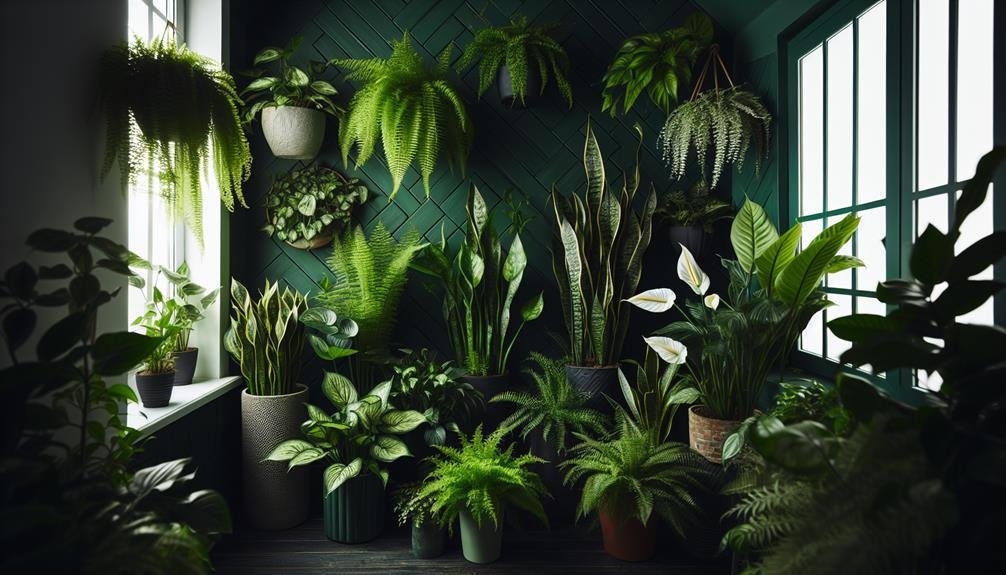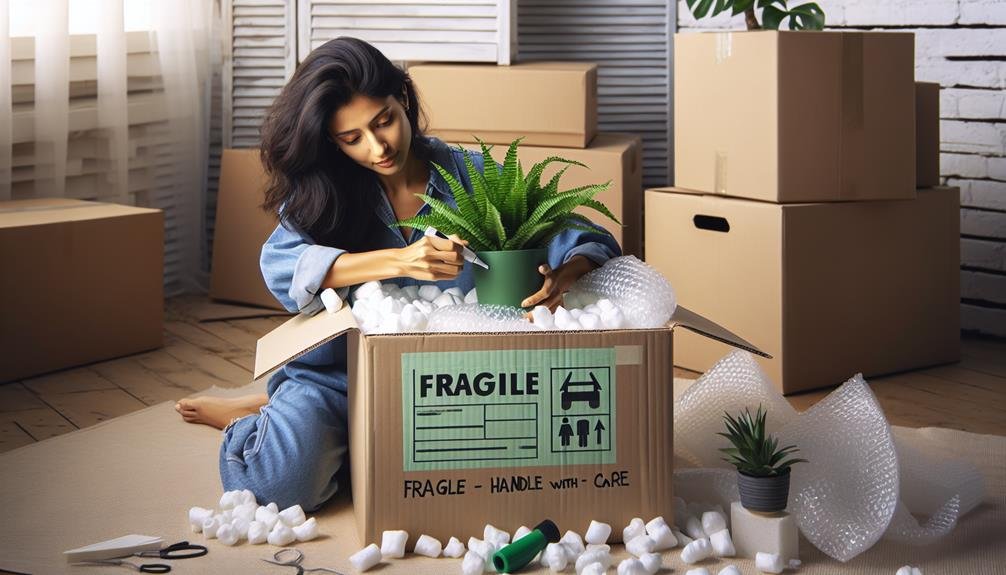
Have you ever wondered why some houseplants struggle to thrive after being transplanted?
Understanding the key factors that contribute to a successful transplant can make all the difference in the health and growth of your beloved green companion.
From selecting the right pot size to ensuring proper soil mix, each step plays a crucial role in the process.
Stay tuned to discover essential tips that will help you navigate the transplanting journey with ease and ensure a safe and happy new environment for your houseplant.
Selecting the Right Pot Size
When choosing the appropriate pot size for your houseplant, prioritize adequate root space over aesthetics. Providing ample room for your plant's roots to spread and grow is crucial for its overall health and development. A pot that's too small can constrict the roots, leading to stunted growth and potential health issues for your plant. On the other hand, a pot that's too large can hold excess water, increasing the risk of overwatering and root rot.
To determine the right pot size for your houseplant, consider the current size of the plant's root system. Ideally, you want to choose a pot that's 1-2 inches larger in diameter than the current pot. This will allow for some room for growth without overwhelming the plant with excess space. Additionally, ensure that the pot has proper drainage holes to prevent water from accumulating at the bottom, which could also lead to root rot.
Choosing the Appropriate Soil Mix
For optimal houseplant health, selecting the right soil mix is crucial to support root growth and nutrient absorption. When choosing a soil mix for your houseplant, opt for a well-draining blend that allows water to pass through easily, preventing root rot. A mix that combines peat moss, perlite, and vermiculite provides good aeration and moisture retention, promoting healthy root development. Additionally, incorporating some organic matter like compost or coconut coir can enhance the soil structure and provide essential nutrients for your plant.
Avoid using regular garden soil, as it tends to compact in containers, hindering proper drainage and airflow. Look for specialized potting mixes formulated for indoor plants, ensuring they're lightweight and sterile to prevent pests and diseases. Remember to consider the specific needs of your houseplant, such as whether it prefers a more acidic or alkaline soil, and choose a mix that aligns with those requirements. By selecting the appropriate soil mix, you set the foundation for a successful houseplant transplant and continued growth in its new container.
Preparing Your Houseplant for Transplant
To ensure a successful houseplant transplantation, begin by gently loosening the roots from the current container. Carefully slide a trowel around the inner edges of the pot to loosen the soil. If the roots have become pot-bound, gently tease them apart with your fingers. Avoid being too rough, as damaged roots can hinder the plant's ability to establish itself in its new home.
Once the roots are loosened, it's essential to prepare the new pot. Choose a container that's slightly larger than the current one to allow for growth. Make sure the new pot has drainage holes to prevent waterlogging, which can lead to root rot.

Before transferring the plant, water it a day or two in advance to ensure it's adequately hydrated. This will help reduce the stress of transplantation. Finally, gently lift the plant by its base, supporting the root ball, and place it in the new pot. Fill any gaps with fresh soil, pressing it down lightly.
Safely Transferring Your Houseplant
After preparing your houseplant for transplantation, the next step in safely transferring it's to handle the plant with care as you move it to its new pot. When lifting the plant, support the base of the stem or the root ball to prevent damage. Avoid pulling on the leaves or delicate stems, as this can cause breakage.
Once you have the plant securely held, gently guide it out of its current pot. If the plant is stuck, tap the sides of the container to loosen the soil before trying again. Be patient and avoid rushing this step to prevent harm to the plant's roots.
When placing the plant into its new pot, ensure it sits at the same depth as it did in the previous container. Fill the remaining space with fresh soil, pressing it down lightly to secure the plant in place. Water the plant thoroughly after transplanting to help it settle into its new home.
Caring for Your Transplanted Houseplant
Ensure the transplanted houseplant receives adequate sunlight and water to promote healthy growth. Place your plant in a location that receives the right amount of sunlight according to its specific needs. Some plants thrive in direct sunlight, while others prefer indirect light.
Monitor the soil moisture regularly and water the plant when the top inch of the soil feels dry. Be careful not to overwater, as this can lead to root rot. Consider factors like humidity levels and seasonal changes that may affect your plant's water requirements.
Fertilize your houseplant as needed, following the instructions on the fertilizer package. Prune any dead or yellowing leaves to encourage new growth. Keep an eye out for pests and diseases, addressing any issues promptly to prevent them from spreading.
Frequently Asked Questions
Can I Use Any Type of Pot for Transplanting My Houseplant, or Are There Specific Materials I Should Avoid?
You should avoid using any type of pot for transplanting your houseplant. Some materials may not provide the proper drainage or insulation needed for your plant to thrive.
Opt for pots made of breathable materials like terracotta or ceramic to ensure your plant's roots receive enough air circulation. These materials also help prevent waterlogging, which can lead to root rot.
Choose a pot that suits your plant's needs to help it grow healthy and strong.
How Often Should I Repot My Houseplant, and What Signs Should I Look for That Indicate It's Time for a Transplant?
You should repot your houseplant every 1-2 years. Signs that it's time for a transplant include roots growing through drainage holes, the plant becoming root-bound, or when water runs straight through the pot. Keep an eye out for yellowing or dropping leaves, stunted growth, or roots circling the pot's surface. These indicate the plant needs more space to thrive.
Repotting will refresh the soil and give your plant room to grow.
Are There Any Specific Tools or Equipment I Need to Safely Transfer My Houseplant to a New Pot?
When transferring your houseplant to a new pot, it's essential to have specific tools and equipment ready. Items like:
- a trowel,
- gardening gloves,
- a new pot with drainage holes,
- fresh potting mix, and
- a watering can
are crucial for a successful transplant. These tools will help you:
- carefully remove the plant from its current pot,
- provide it with a new home, and
- ensure proper watering and drainage for healthy growth.
Should I Prune My Houseplant Before Transplanting It, and if So, How Much Should I Trim?
Before transplanting, you should prune your houseplant to promote healthy growth. Trim any dead or damaged leaves or stems, and consider cutting back leggy growth to encourage bushier foliage.
Avoid removing more than one-third of the plant's overall growth to prevent stress. Pruning will help your houseplant thrive in its new pot and maintain its vitality.
Remember to use clean, sharp tools to make precise cuts for the best results.
What Steps Should I Take to Prevent Transplant Shock in My Houseplant After It Has Been Moved to a New Pot?
When moving your houseplant to a new pot, preventing transplant shock is key.
To avoid this, ensure the new pot has good drainage, use fresh soil, and water thoroughly after transplanting.
Keep the plant in a stable environment with consistent light and temperature.
Don't fertilize immediately after transplanting, as this can stress the plant further.
With these steps, you can help your houseplant adjust smoothly to its new home.
Conclusion
Congratulations on successfully transplanting your houseplant! By following these steps, you have ensured the safety and health of your plant during the process.
Remember to continue caring for your newly transplanted houseplant by providing proper sunlight, water, and nutrients. With a little love and attention, your houseplant will thrive in its new home.
Keep up the good work!