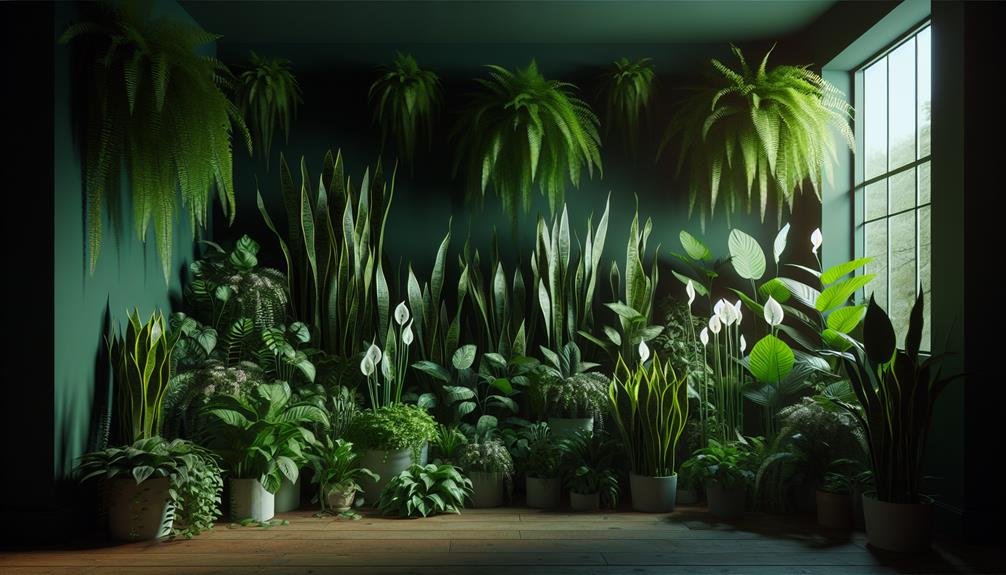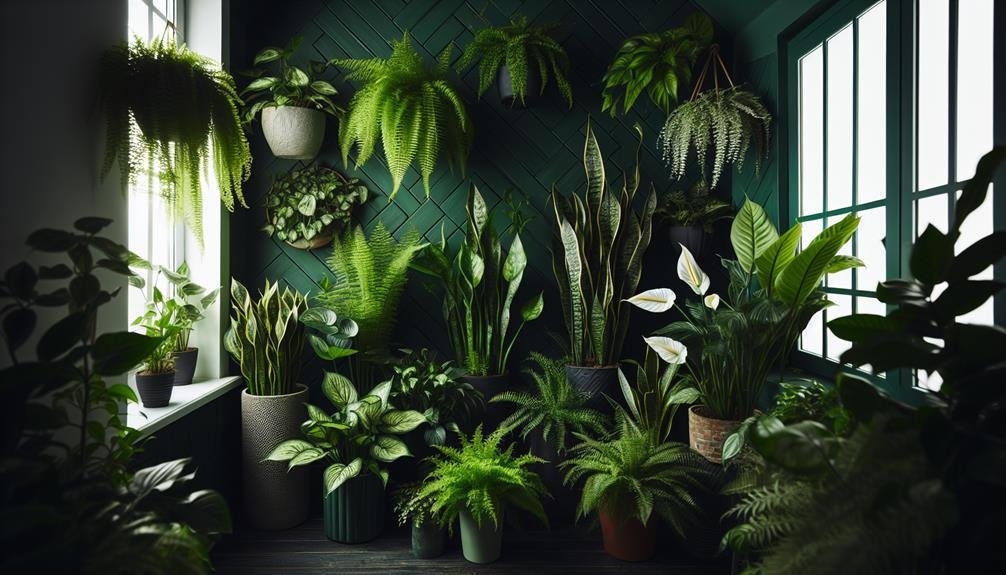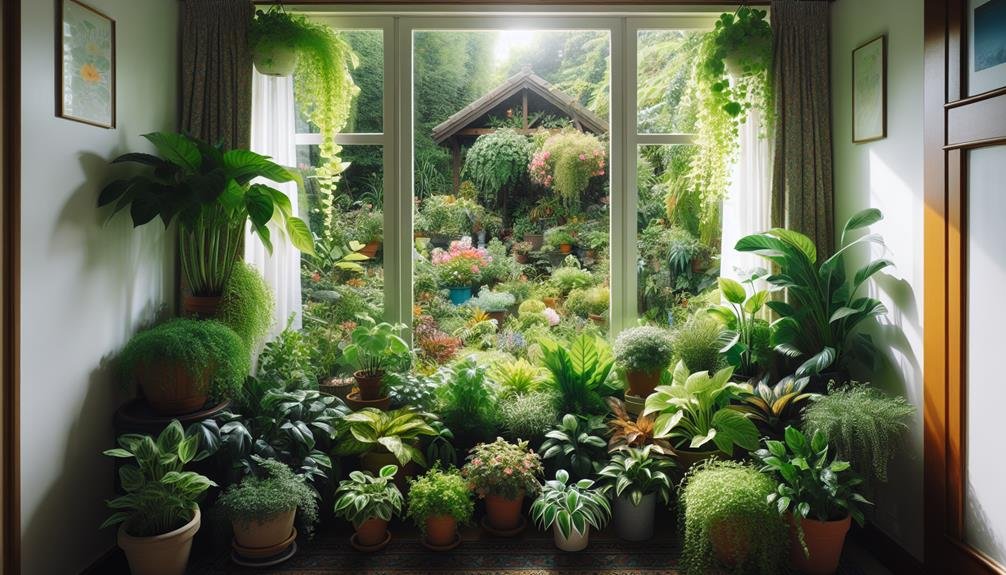
Imagine low-maintenance houseplants as reliable companions, akin to steadfast friends that require minimal attention yet add a touch of greenery to your living spaces effortlessly.
Curious to discover which resilient plants can thrive indoors or enhance your outdoor areas with little effort on your part? Stay tuned to uncover a selection of robust plant varieties that promise to bring nature indoors and beautify your outdoor surroundings without demanding too much of your time and energy.
Benefits of Low-Maintenance Houseplants
Low-maintenance houseplants offer an easy way to bring greenery into your home without requiring constant attention. These plants are perfect for individuals with busy schedules or those looking to add a touch of nature to their space without the hassle of high-maintenance care. One of the key benefits of low-maintenance houseplants is their ability to thrive in various lighting conditions. Whether you have a brightly lit room or a space with limited natural light, there are low-maintenance plant options that can adapt and still flourish.
Additionally, these plants are excellent air purifiers, helping to improve the overall air quality in your home. They absorb carbon dioxide and release oxygen during photosynthesis, creating a healthier environment for you to live in. Low-maintenance houseplants also come in a wide range of shapes, sizes, and colors, allowing you to choose plants that complement your home decor and personal style effortlessly. With minimal effort, you can enjoy the beauty and benefits that these plants bring into your living space.
Top Indoor Low-Maintenance Picks
When selecting indoor low-maintenance plants, consider the following top picks for easy care and vibrant greenery in your home.
First on the list is the Spider Plant. Known for its air-purifying qualities, this plant thrives in various lighting conditions and requires minimal watering. Its long, arching leaves add a touch of elegance to any room.
Next, the Snake Plant is perfect for beginners. It can survive in low light and only needs occasional watering. This plant also helps improve indoor air quality by removing toxins.
Another excellent choice is the ZZ Plant. With its waxy, shiny leaves, it can tolerate low light and irregular watering. This plant is practically indestructible and adds a modern flair to your space.
Lastly, the Pothos Plant is a popular option due to its trailing vines and ability to thrive in different light conditions. It only requires watering when the soil is dry to the touch.
These top indoor low-maintenance plants are perfect for busy individuals looking to add some greenery to their homes without the hassle of constant care.

Outdoor Low-Maintenance Plant Options
Consider expanding your green oasis beyond the confines of your home by exploring hassle-free outdoor plant options that thrive with minimal care.
When selecting low-maintenance plants for your outdoor space, look for options like succulents, which require infrequent watering and can withstand various weather conditions.
Sedum, also known as stonecrop, is a great choice for outdoor areas due to its drought-resistant nature and ability to thrive in rocky soil.
Another excellent outdoor plant option is lavender, a fragrant herb that's easy to grow and only needs occasional watering.
Ornamental grasses, such as fountain grass or feather reed grass, add texture and movement to your outdoor landscape without demanding much attention.
Lastly, consider planting hostas, a shade-loving perennial that requires little maintenance and comes in a variety of sizes and leaf colors to enhance your outdoor space effortlessly.
Tips for Caring for Low-Maintenance Plants
To keep your low-maintenance plants healthy and thriving, ensure you provide adequate sunlight and water according to their individual needs. Sunlight is essential for photosynthesis, so place plants that require bright light near windows, while those needing low light can thrive in shaded areas. When watering, always check the soil moisture level before adding more water. Overwatering can lead to root rot, so allow the soil to dry out slightly between waterings.
In addition to light and water, occasional feeding can help your plants grow. Use a balanced fertilizer diluted to half-strength during the growing season, usually in spring and summer. Pruning dead leaves and stems not only keeps your plant looking tidy but also promotes new growth. Keep an eye out for pests like spider mites or aphids, and address any infestations promptly.
Remember to repot your plants as needed, usually every 1-2 years, to provide fresh soil and room for growth. With these simple care tips, your low-maintenance plants will continue to bring beauty and greenery to your indoor or outdoor space.
Creative Ways to Display Houseplants
Ensure your low-maintenance houseplants stand out by exploring creative ways to display them in your living spaces. Consider hanging planters to add a touch of greenery to your ceilings or walls. Macramé plant hangers can give a bohemian feel, while geometric plant holders add a modern touch.
Utilize shelves to create a mini indoor garden by arranging plants at different heights. Grouping plants together on a plant stand can also create a visually appealing display. For a unique touch, repurpose old furniture like ladders or wooden crates to showcase your plants.
Terrariums are another creative option, adding a touch of whimsy to your space. Don't forget windowsills – they offer the perfect spot for small potted plants to catch the sunlight. Additionally, hanging planters outside can transform a balcony or patio into a lush oasis.
Get creative with your houseplant displays to bring life and character to your home.
Frequently Asked Questions
Can Low-Maintenance Houseplants Help Improve Indoor Air Quality?
Low-maintenance houseplants can indeed help improve indoor air quality. They absorb carbon dioxide and release oxygen during photosynthesis, which freshens up the air you breathe.
This process can also help remove certain toxins and pollutants from your indoor environment, promoting a cleaner and healthier atmosphere.
Are There Any Low-Maintenance Houseplants That Are Safe for Pets?
When looking for low-maintenance houseplants safe for pets, consider options like spider plants, Boston ferns, or African violets.
These plants can add greenery to your space without posing a risk to your furry friends.
Remember to place them out of reach if your pets tend to nibble on plants.
It's important to create a pet-friendly environment while enjoying the benefits of having houseplants in your home.
How Often Should Low-Maintenance Houseplants Be Watered?
Water your low-maintenance houseplants regularly, but don't overdo it. Check the soil moisture by sticking your finger in the soil; if it feels dry, it's time to water.
Generally, a good rule of thumb is to water once a week, but it may vary depending on the plant and its environment. Keep an eye on the plant's condition and adjust the watering frequency as needed to ensure it stays healthy and happy.
What Are Some Common Pests That Can Affect Low-Maintenance Houseplants?
When caring for low-maintenance houseplants, watch out for common pests like spider mites, aphids, and fungus gnats. These critters can wreak havoc on your green friends if left unchecked.
Keep an eye out for any signs of infestation, such as yellowing leaves or tiny webs.
Regularly inspect your plants and treat any pest issues promptly to keep them healthy and thriving.
Can Low-Maintenance Houseplants Survive in Low-Light Conditions?
In low-light conditions, some low-maintenance houseplants can survive but may not thrive. They typically require minimal sunlight but will grow slower and mightn't produce as many flowers. Consider plants like pothos, snake plants, or peace lilies that can handle low-light environments.
Be sure to rotate them occasionally to ensure even growth. Remember to check specific plant requirements for the best results in your space.
Conclusion
Overall, low-maintenance houseplants are a great addition to any home, requiring minimal effort to keep them thriving both indoors and outdoors.
With a variety of options to choose from, you can easily find the perfect plant to fit your lifestyle and aesthetic preferences.
By following some simple care tips and getting creative with how you display your plants, you can enjoy the benefits of greenery in your living spaces with minimal fuss.
Happy gardening!