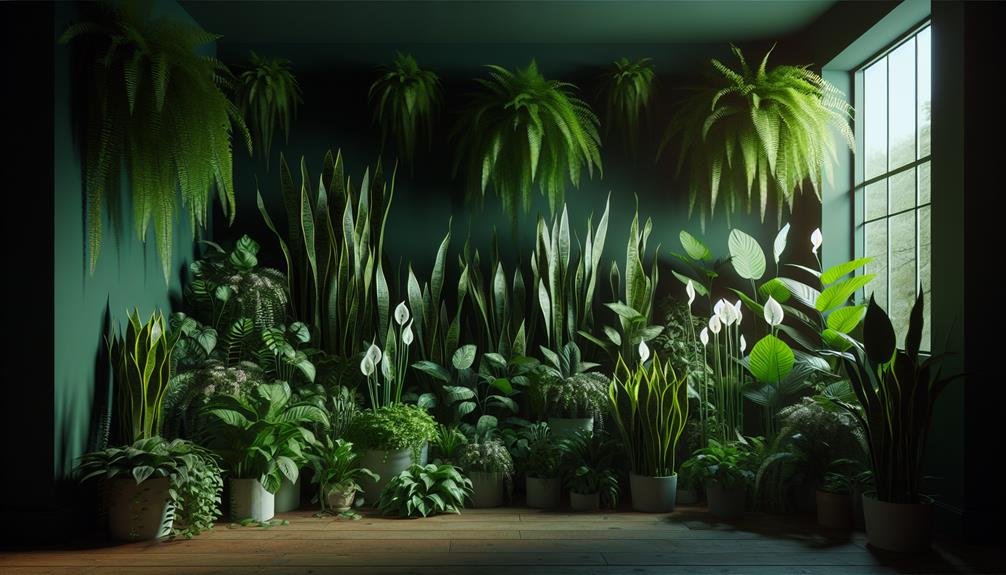
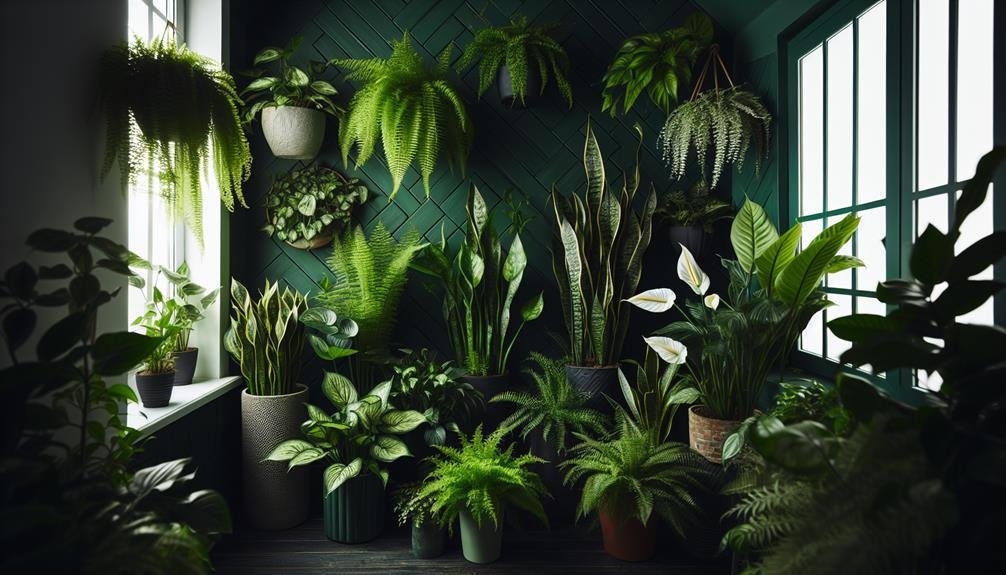
When it comes to nurturing houseplants, you've probably heard the saying, 'The grass is always greener on the other side.'
But have you ever wondered what secret ingredient truly makes your indoor botanical friends thrive? There's a key element, often overlooked, that can significantly impact the health and growth of your houseplants.
Understanding this ingredient could be the missing piece to achieving flourishing greenery in your home.
The Role of Nutrients
To ensure your houseplants thrive, you must understand the crucial role that nutrients play in their growth and development. Just like humans need a balanced diet to stay healthy, plants require essential nutrients to flourish. These nutrients are vital for various plant functions, such as photosynthesis, root development, and overall growth.
The primary nutrients that plants need are nitrogen, phosphorus, and potassium. Nitrogen is essential for leafy green growth, phosphorus aids in root development and flowering, while potassium helps with overall plant health and disease resistance. In addition to these primary nutrients, plants also require secondary nutrients like calcium, magnesium, and sulfur, as well as micronutrients such as iron, zinc, and manganese in smaller quantities.
You can provide these nutrients to your houseplants through regular fertilization. Make sure to choose a fertilizer that's specifically formulated for indoor plants and follow the instructions carefully to avoid over-fertilization, which can be harmful to your plants. By understanding and meeting your houseplants' nutrient requirements, you can ensure they have everything they need to thrive and beautify your home.
Importance of Humidity
Maintaining optimal humidity levels is crucial for the well-being of your houseplants. Humidity refers to the amount of moisture in the air, and it plays a significant role in the growth and health of your indoor plants. Proper humidity levels help houseplants thrive by enabling them to absorb water and nutrients more efficiently through their roots. In addition, adequate humidity prevents issues such as wilting, dry leaf tips, and stunted growth.
Insufficient humidity can lead to problems like leaf browning, increased susceptibility to pests, and overall decline in plant health. On the other hand, excessive humidity can create a breeding ground for mold, mildew, and other harmful pathogens that can harm your plants. Therefore, it's essential to strike a balance and maintain the right level of humidity for your specific houseplant species.
To ensure optimal humidity for your plants, consider using a humidifier, grouping plants together to create a microclimate, or placing a tray of water near your plants to increase moisture in the air. Monitoring humidity levels and making adjustments as needed will help your houseplants flourish and thrive in their indoor environment.
Understanding Light Requirements
Proper lighting is key to ensuring the health and growth of your indoor plants. Different plants have varying light requirements, so understanding these needs is crucial for their well-being. Most houseplants can be categorized into three main groups based on their light preferences: low light, medium light, and bright light.

Plants that thrive in low light, such as snake plants and pothos, can survive in areas with minimal natural light. They're perfect for rooms with few windows or spaces away from direct sunlight. On the other hand, plants like ferns and African violets prefer medium light conditions. They do well in areas with filtered natural light or spaces that receive sunlight for a few hours a day.
For plants that require bright light, such as succulents and cacti, placing them in direct sunlight or under grow lights is essential for their growth. It's important not to expose low or medium light plants to excessive sunlight, as this can lead to sunburn and damage. By understanding the light requirements of your indoor plants, you can create an environment where they'll flourish and thrive.
Benefits of Proper Drainage
Ensuring adequate drainage for your houseplants is essential for their overall health and well-being. Proper drainage helps prevent waterlogging, which can lead to root rot and other issues. When excess water is unable to drain properly from the pot, it creates a waterlogged environment that deprives the roots of oxygen, causing them to suffocate and eventually die. By having sufficient drainage in place, you create a healthier growing environment for your plants.
Additionally, good drainage allows you to water your plants thoroughly without the risk of drowning the roots. When water can flow freely through the soil and out of the drainage holes, it helps wash away excess salts and minerals that can accumulate and harm the plant over time. This promotes better nutrient uptake and overall plant growth.
Enhancing Air Circulation
To maximize your houseplants' health and vitality, consider enhancing air circulation within their environment. Adequate air circulation is crucial for houseplants as it helps in various ways. Stagnant air can lead to excess moisture around the leaves and soil, creating a breeding ground for pests and diseases. By improving air circulation, you can prevent such issues and promote a healthier growing environment for your plants.
One way to enhance air circulation is by placing a small fan near your plants on a low setting. The gentle breeze from the fan can mimic natural outdoor conditions and help strengthen your plants' stems. Additionally, opening windows or doors periodically can also facilitate air exchange, allowing fresh air to enter and stale air to exit.
Moreover, grouping plants together can create a microclimate that aids in better airflow. Just ensure that the plants aren't overcrowded, as this can impede circulation. By prioritizing air circulation, you can significantly boost the well-being of your houseplants and enjoy a thriving indoor garden.
Frequently Asked Questions
How Often Should Houseplants Be Repotted?
When it comes to repotting houseplants, the frequency depends on the plant's growth rate and root system size. Generally, aim to repot every 1-2 years for most plants to ensure they've enough room to grow.
Signs that a plant needs repotting include roots growing out of the drainage holes, soil drying out quickly, or the plant becoming root-bound. Regularly checking your plants will help you determine when it's time for a new pot.
What Are Some Common Pests That Can Affect Houseplants and How Can They Be Controlled?
To keep your houseplants healthy, watch out for common pests like aphids and spider mites. These pesky bugs can harm your plants. Combat them by regularly inspecting your plants for signs of infestation.
Use insecticidal soap or neem oil to get rid of these pests. Remember to treat both the plant and its surrounding area to fully eliminate the infestation and keep your plants flourishing.
Can Houseplants Benefit From Being Placed Outdoors During Certain Seasons?
During certain seasons, placing your houseplants outdoors can greatly benefit them. The fresh air, natural sunlight, and increased humidity can promote growth and overall health.
Be mindful of the specific needs of each plant and gradually acclimate them to the outdoor environment to prevent shock.
Regularly monitor for pests and ensure they're receiving adequate water and nutrients while outside.
Enjoy watching your plants thrive in the great outdoors!
Are There Any Specific Houseplant Varieties That Are Easier to Care for Than Others?
When caring for houseplants, some varieties are easier to maintain than others. Look for plants like pothos, snake plants, or spider plants, which are generally more resilient and forgiving of occasional neglect.
These types of plants can thrive even with minimal attention, making them ideal for beginners or those with busy schedules. Consider starting with these varieties to build your confidence and experience in caring for houseplants effectively.
How Can I Prevent Overwatering My Houseplants?
To prevent overwatering your houseplants, ensure the soil is dry an inch deep before watering again. Use pots with drainage holes to avoid water accumulation.
Check the specific watering needs of each plant type to establish a suitable schedule. Monitor the plant's condition regularly for signs of overwatering, such as yellowing leaves or wilting.
Adjust your watering routine accordingly to keep your houseplants healthy and thriving.
Conclusion
So there you have it – the secret ingredient to making your houseplants flourish is simply providing them with the right balance of nutrients, humidity, light, drainage, and air circulation.
By addressing these key factors, you can ensure that your plants thrive and bring a touch of nature into your home.
Happy gardening!