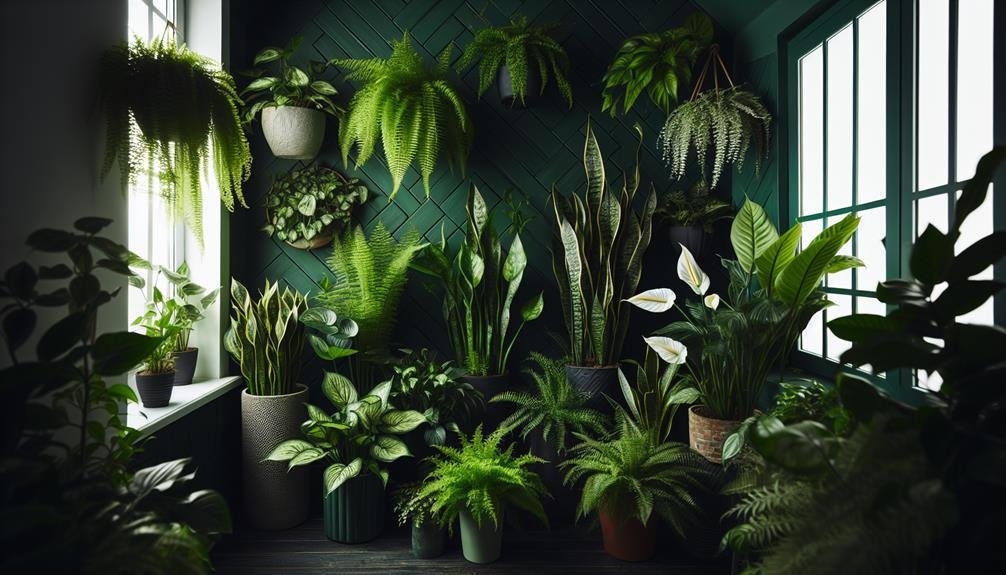
You might think buying new houseplants is easier, but have you considered the benefits of propagating from cuttings?
The process may seem daunting at first, but the rewards are worth it. Imagine having an endless supply of your favorite plants without constantly purchasing new ones. The satisfaction of nurturing a plant from a tiny cutting to a thriving specimen is unparalleled.
Plus, there's a certain joy in sharing propagated plants with friends and family. So, why not give it a try and unlock the secrets of successful propagation?
Cost-Effective Way to Expand Collection
Looking to grow your houseplant collection without breaking the bank? Try propagating plants from cuttings for a cost-effective way to expand your indoor greenery. Not only is it a budget-friendly option, but it's also a rewarding experience to watch your cuttings develop into thriving plants.
All you need are some basic supplies like clean shears, rooting hormone (optional), a suitable potting mix, and containers for propagating.
To start, choose a healthy plant to take cuttings from, ensuring the parent plant is free from pests and diseases. Select a stem that's neither too old nor too young, as mature stems tend to root better. Trim the cutting just below a node, remove lower leaves to prevent rot, and dip the end in rooting hormone if desired. Then, place the cutting in moist soil, keep it in a warm and bright location, and mist regularly to maintain humidity.
Within a few weeks to months, depending on the plant type, you should start to see roots forming. Once roots are established, you can transplant your new plant into a larger container and enjoy the satisfaction of growing your collection without spending a fortune.
Preserve Favorite Plant Genetics
To preserve the genetics of your favorite plants, consider propagating them from cuttings to ensure the traits you love are passed on successfully. When you grow plants from seeds, there's a chance that the offspring may not exhibit the exact characteristics of the parent plant. By taking cuttings from your favorite plant and rooting them, you can essentially create a genetic clone that retains all the desirable features, such as variegated leaves, unique flower colors, or specific growth habits.
Preserving the genetics of your favorite plants through propagation also allows you to maintain consistency in your plant collection. Whether it's a rare succulent or a prized heirloom variety, propagating from cuttings ensures that you can continue to enjoy the same traits in new plants for years to come. Additionally, by propagating plants with exceptional qualities, you can share them with friends and family, spreading the joy of gardening and preserving these special genetic lines for future generations.
Faster Growth Compared to Seeds
When propagating houseplants from cuttings, you'll notice faster growth compared to starting from seeds. This quicker growth is due to the fact that cuttings already have a head start in development. By using a portion of an established plant, you're essentially cloning it, allowing the new plant to skip the germination and seedling stages.

Unlike seeds that need to develop roots and establish themselves before focusing on upward growth, cuttings have already developed roots and often start growing new leaves shortly after being planted. This accelerated growth can be particularly advantageous if you're looking to expand your plant collection or fill a space in your home with lush greenery quickly.
Furthermore, with cuttings, you have a higher level of certainty regarding the traits and characteristics of the new plant. Since you're using a part of an existing plant, you can expect the same growth habits, flower color, and overall appearance as the parent plant, providing a more predictable outcome compared to growing from seeds.
Easy Propagation Process for Beginners
For beginners, mastering the easy propagation process can be a rewarding and straightforward way to expand your houseplant collection. Start by selecting a healthy parent plant with no signs of disease or pests. Choose a stem cutting that's 4-6 inches long, making a clean cut just below a node. Remove the leaves from the lower part of the cutting to expose the nodes.
Dip the cut end in a rooting hormone to encourage root development. Plant the cutting in a well-draining potting mix and water it thoroughly. Place a clear plastic bag over the cutting to create a mini greenhouse effect that retains moisture. Keep the cutting in a warm, bright location but out of direct sunlight.
Mist the cutting occasionally to maintain humidity levels. In a few weeks to months, depending on the plant type, you should start to see roots forming. Once the roots are well established, you can transplant your new plant into a larger pot to continue growing. Enjoy watching your houseplant collection multiply with this simple propagation method!
Create Personalized Plant Gifts
Consider personalizing your plant gifts by adding a touch of creativity to make them truly special. Instead of a standard potted plant, why not jazz it up by painting the pot with a unique design or adding a personalized plant marker? Get crafty and decorate the container with the recipient's favorite colors, patterns, or even their name. This simple addition can turn a regular gift into a thoughtful and personalized gesture.
Another way to customize plant gifts is by choosing specific plants that hold significance to the recipient. Select a plant that symbolizes love, friendship, or good luck to add an extra layer of meaning to your gift. You could also opt for plants with blooms or foliage in the recipient's favorite colors to tailor the gift to their preferences.
Frequently Asked Questions
Can I Propagate Houseplants From Cuttings All Year Round, or Are There Specific Times When It's Best to Do So?
You can propagate houseplants from cuttings all year round, but there are specific times when it's best to do so. For most plants, spring and summer are ideal for propagation because that's when they're actively growing.
However, some plants can also be propagated successfully in fall and winter. Just make sure to provide the right conditions like warmth and humidity to help the cuttings root and grow successfully.
Are There Certain Types of Houseplants That Are Easier or Harder to Propagate From Cuttings?
Certain types of houseplants are easier to propagate from cuttings than others. Plants like pothos, spider plants, and snake plants are typically easier to propagate because they root quickly and are more resilient.
On the other hand, plants like fiddle leaf figs or orchids can be more challenging due to their specific care requirements and slower root development.
It's essential to research the specific needs of each plant before attempting propagation.
How Can I Ensure That My Propagated Houseplants Grow Successfully and Thrive in Their New Environment?
To ensure your propagated houseplants thrive, provide adequate sunlight, water, and nutrients.
Monitor soil moisture levels and avoid overwatering to prevent root rot. Regularly check for pests and diseases, addressing any issues promptly.
Consider the specific needs of each plant variety and adjust care accordingly. Prune to encourage healthy growth and repot as needed.
What Are Some Common Mistakes That People Make When Propagating Houseplants From Cuttings, and How Can I Avoid Them?
When propagating houseplants from cuttings, common mistakes include overwatering, using dull tools, and neglecting proper lighting.
To avoid these, ensure your cuttings have well-draining soil, sharp scissors for clean cuts, and adequate sunlight.
Water only when the soil is dry to the touch.
Pay attention to these details, and your propagated houseplants will have a better chance to grow successfully and thrive in their new environment.
Are There Any Special Tools or Equipment That I Need to Have in Order to Successfully Propagate Houseplants From Cuttings?
To successfully propagate houseplants from cuttings, you'll need some basic tools.
A sharp pair of scissors or pruning shears is essential for taking clean cuttings.
Make sure to have a clean container filled with a suitable potting mix.
A clear plastic bag or a propagation dome can help create a humid environment.
Lastly, a watering can with a gentle shower head will make it easy to water your cuttings without disturbing them.
Conclusion
So why not give propagating houseplants from cuttings a try?
It's a cost-effective way to expand your collection, preserve your favorite plant genetics, and see faster growth compared to seeds.
Plus, it's an easy process for beginners to learn and can result in personalized plant gifts for your friends and family.
Don't be afraid to get your hands dirty and watch your houseplant collection thrive!