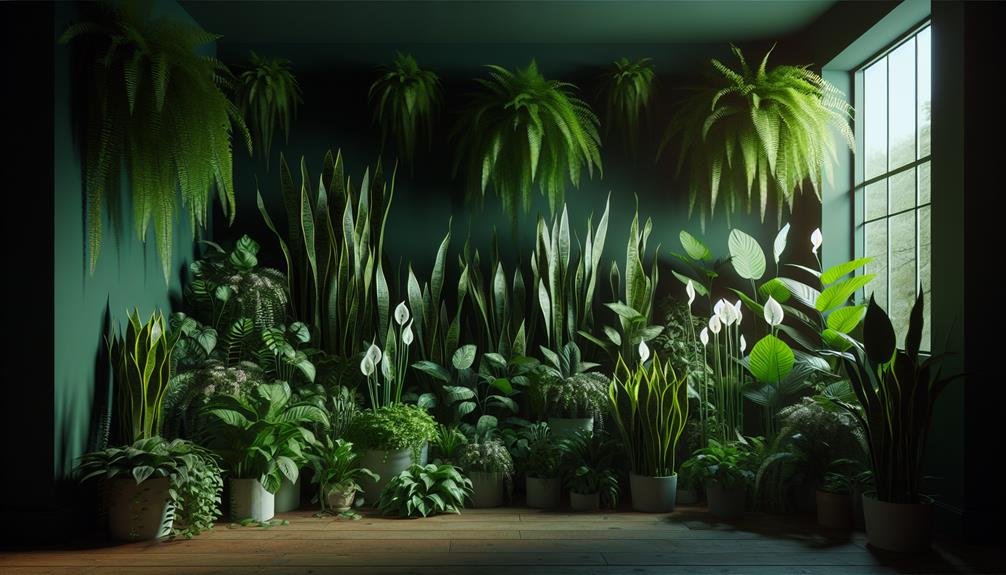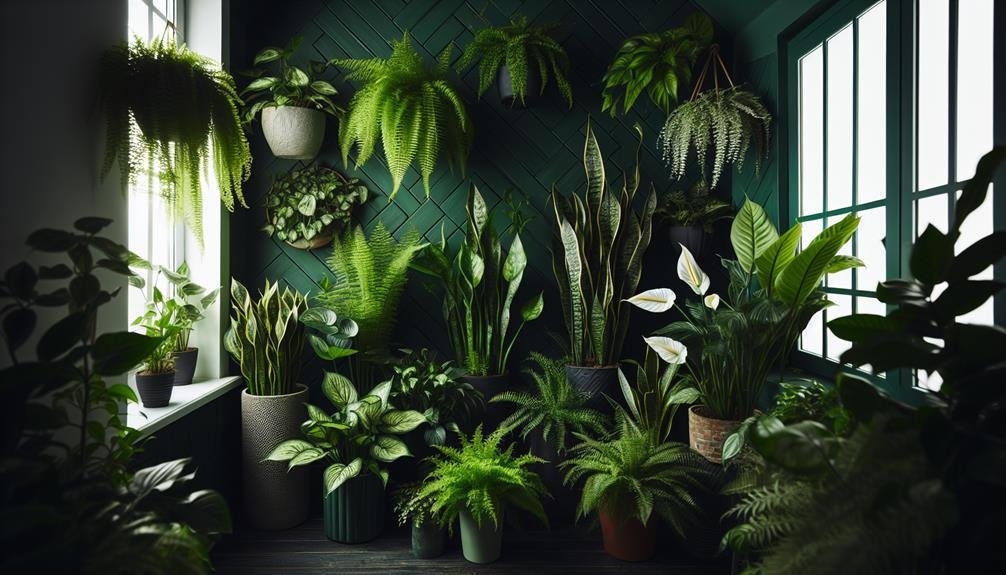
When winter's chill envelops the world outside, you can bring a touch of exotic vibrancy into your home with winter bloomers. These unique houseplants not only add a pop of color to your indoor space but also provide a refreshing contrast to the dreariness of the season.
Discover how these unexpected beauties can thrive in the cozy confines of your home, and unlock the secrets to keeping them flourishing throughout the colder months.
Explore the allure of these captivating winter bloomers and transform your living space into a lush oasis, even when the world outside is covered in snow.
Benefits of Winter Bloomers
Why are winter bloomers such valuable additions to your indoor plant collection?
Winter bloomers are a fantastic way to bring a burst of color and life into your home during the colder months when outdoor plants are dormant. These plants not only add vibrancy to your living space but also help combat the winter blues by providing a cheerful and uplifting atmosphere.
Having winter bloomers in your indoor plant collection can also improve the air quality in your home. Plants release oxygen and absorb carbon dioxide, helping to purify the air and create a healthier environment for you and your family. Additionally, some winter bloomers have fragrant flowers that can fill your home with delightful scents, enhancing the overall ambiance.
Furthermore, caring for winter bloomers can be a rewarding experience. Watching these plants bloom and thrive during the winter season can bring a sense of accomplishment and joy. Their unique beauty and ability to bloom when most other plants are dormant make winter bloomers a valuable addition to any indoor plant collection.
Top Exotic Houseplants for Winter
Exploring the allure of top exotic houseplants for winter brings a touch of tropical charm to your indoor space. Consider the stunning Orchid Cactus, with its vibrant blooms that can last for weeks. This plant thrives in indirect sunlight and adds a pop of color to any room.
Another excellent choice is the Peace Lily, known for its elegant white flowers and air-purifying qualities. It requires low light and minimal care, making it perfect for beginners.
For a unique touch, the Anthurium is a top pick with its glossy red flowers that bloom all year round. It prefers bright, indirect light and moderate watering.

If you're looking for a statement piece, the Bird of Paradise plant is a striking option with its large, banana-like leaves and exotic blooms. Place it in a sunny spot and watch it thrive during the winter months.
These top exotic houseplants will brighten up your home and uplift your spirits during the colder season.
Care Tips for Indoor Blooms
When caring for indoor blooms, ensure you provide the right amount of light and water for each plant species to thrive. Light is crucial for photosynthesis, so place sun-loving plants near bright windows. Rotate them regularly to promote even growth. Shade-loving plants can thrive in corners or areas with indirect sunlight.
Monitor soil moisture levels; most indoor plants prefer slightly moist soil. Water thoroughly, allowing excess water to drain out to prevent root rot. Check specific plant care guidelines as watering needs vary. Consider using room-temperature water to avoid shocking the plants.
Fertilize sparingly during the blooming period, as over-fertilization can harm the plant. Keep an eye out for pests and diseases, addressing any issues promptly to prevent them from spreading. Regularly dust the leaves to remove any buildup that can hinder photosynthesis.
With proper care, your indoor blooms will flourish and brighten up your living space.
Choosing the Right Lighting
To ensure your indoor blooms thrive, it's crucial to choose the right lighting conditions for each plant species. Proper lighting is essential for the growth and flowering of your exotic houseplants during the winter months. When selecting the right lighting for your plants, consider their specific needs. Some plants, like orchids and African violets, thrive in bright, indirect light, while others, such as succulents, prefer direct sunlight.
Placing your plants near a south-facing window can provide them with the adequate light they need to bloom beautifully. If natural light is limited in your home, you can supplement with artificial grow lights designed for indoor plants. LED grow lights are energy-efficient and emit the right spectrum of light for plant growth. Remember to adjust the distance between the light source and your plants according to their requirements to prevent burning or stretching.
Winter Bloomers Maintenance Guide
For successful winter bloomers maintenance, ensure you adjust watering and temperature levels accordingly to support healthy growth. During the winter months, it's crucial to strike a balance with watering – while you don't want your plants to dry out, overwatering can lead to root rot. Check the soil moisture level regularly by sticking your finger about an inch into the soil; if it feels dry, it's time to water. However, make sure not to let the plants sit in standing water as this can cause issues.
Maintaining the right temperature is also key to keeping your winter bloomers thriving. Most exotic houseplants prefer temperatures between 65-75°F during the day and slightly cooler at night. Avoid placing them near drafts or heaters that can create temperature fluctuations. Providing a consistent environment will help your plants focus on blooming rather than adjusting to changing conditions.
Regularly inspect your plants for any signs of pests or diseases. If you notice any issues, address them promptly to prevent them from spreading and affecting the overall health of your winter bloomers. By staying attentive to watering, temperature, and overall plant health, you can enjoy a vibrant display of blooms throughout the winter season.
Frequently Asked Questions
Can Winter Bloomers Be Used as Outdoor Plants During Colder Months?
Yes, winter bloomers can sometimes be used as outdoor plants during colder months, depending on the specific plant species and your climate conditions.
While some winter bloomers are hardy enough to withstand outdoor conditions, others may require protection from frost or extreme cold.
It's important to research the specific care requirements of each plant and consider your local climate before deciding to use them outdoors during winter.
Are There Any Winter Bloomers That Are Safe for Pets to Be Around?
When looking for winter bloomers safe for your pets, choose plants like African violets, Christmas cactus, or orchids. These options not only add beauty to your home but are also non-toxic to your furry friends.
Remember to keep your plants in areas where pets can't easily access them to prevent any mishaps. With a bit of planning, you can enjoy the beauty of winter bloomers without worrying about your pets' safety.
Can Winter Bloomers Be Propagated Through Cuttings or Other Methods?
Yes, winter bloomers can be propagated through cuttings or other methods. Taking a cutting from a healthy plant and rooting it in water or soil is a common way to propagate winter bloomers.
This method allows you to create new plants from the original one, ensuring that you can enjoy these beautiful flowers for years to come. Just make sure to follow proper propagation techniques to increase your chances of success.
Are There Any Special Considerations When Fertilizing Winter Bloomers?
When fertilizing winter bloomers, remember to use a balanced fertilizer to support their growth and blooming.
It's essential to follow the recommended dosages on the fertilizer package to avoid overfeeding, which can harm your plants.
Additionally, consider using a fertilizer specifically formulated for flowering plants to promote healthy blooms.
Always water your plants before fertilizing to prevent root burn.
With proper care, your winter bloomers will thrive and brighten up your home.
How Do I Prevent Pests and Diseases From Affecting My Winter Bloomers?
To prevent pests and diseases from affecting your winter bloomers, inspect your plants regularly for any signs of trouble. Keep a close eye out for pests like spider mites, aphids, and mealybugs. If you spot any issues, take action promptly.
Wiping leaves with a damp cloth, using insecticidal soap, or applying neem oil can help keep your plants healthy. Proper watering and good air circulation can also deter pests and diseases.
Conclusion
Overall, incorporating exotic winter bloomers into your home can add a touch of beauty and cheer during the colder months.
With the right care and attention to lighting, these houseplants can thrive and brighten up any room.
Remember to follow the maintenance guide to ensure your winter bloomers continue to flourish throughout the season.
Enjoy the vibrant colors and fragrances that these exotic plants bring into your home during the winter months.